

Navigating the world of vegan hair care can feel overwhelming, especially when you’re trying to buy vegan hair care products online for the first time. With countless brands, ingredient lists, and certifications flooding the market, it’s easy to wonder which products truly live up to their cruelty‑free promises and whether they’ll actually solve your hair concerns. In this guide, we break down the essential steps to confidently purchase vegan hair care online, spotlight the most reliable indicators of authenticity, and show you how to build a results‑driven routine that aligns with your values.
By Veira has spent years curating high‑performance vegan formulas, and we’ve distilled that expertise into actionable insights you can apply today. Whether you’re searching for a “vegan hair care online shop” or simply want to know how to evaluate a product’s vegan credentials, this guide equips you with data‑backed criteria, real‑world shopping strategies, and a clear roadmap to healthier, cruelty‑free strands.
1. What Makes Hair Care Truly Vegan? Certifications, Ingredients, and Myths Debunked
A product can claim to be "vegan" without meeting rigorous standards, so it’s crucial to understand the baseline definition. Vegan hair care means the formulation contains no animal‑derived ingredients (like keratin, lanolin, or silk proteins) and is not tested on animals at any stage of development. Look for third‑party certifications such as the Vegan Society’s V‑label, PETA‑approved, or Certified Vegan logos; these symbols require documentation of ingredient sourcing and testing practices.
Data from a 2023 market analysis shows that 68% of consumers misinterpret “cruelty‑free” as synonymous with “vegan.” While cruelty‑free ensures no animal testing, it does not guarantee the absence of animal‑derived ingredients. By Veira’s standards, every product carries both the Vegan Society V‑label and a full ingredient transparency report, eliminating guesswork. Additionally, be wary of ambiguous terms like "plant‑based" or "nature‑derived"—these can still contain hidden animal derivatives such as glycerin derived from meat fats. Scrutinizing the INCI (International Nomenclature of Cosmetic Ingredients) list is the most reliable method; if you see ingredients ending in “‑yl‑hydroxy‑propyl‑cellulose” derived from plant cellulose, you’re safe, whereas “‑stearyl‑” may indicate animal origin unless otherwise specified. Armed with this knowledge, you can confidently filter out false claims and focus on truly vegan hair care options.
2. Matching Your Hair Type and Concerns with Vegan Products
Before you click “add to cart,” identify your hair’s primary needs. Whether you have fine, oily roots, dry brittle ends, curly frizz, or a chemically treated scalp, vegan formulas can address each issue—provided you select the right product category.
- **Cleansers**: For oily scalps, look for sulfate‑free vegan shampoos with tea tree or rosemary extracts; they cleanse without stripping natural oils. A 2022 clinical trial found that 72% of participants using a vegan tea‑tree shampoo reported reduced scalp greasiness after four weeks.
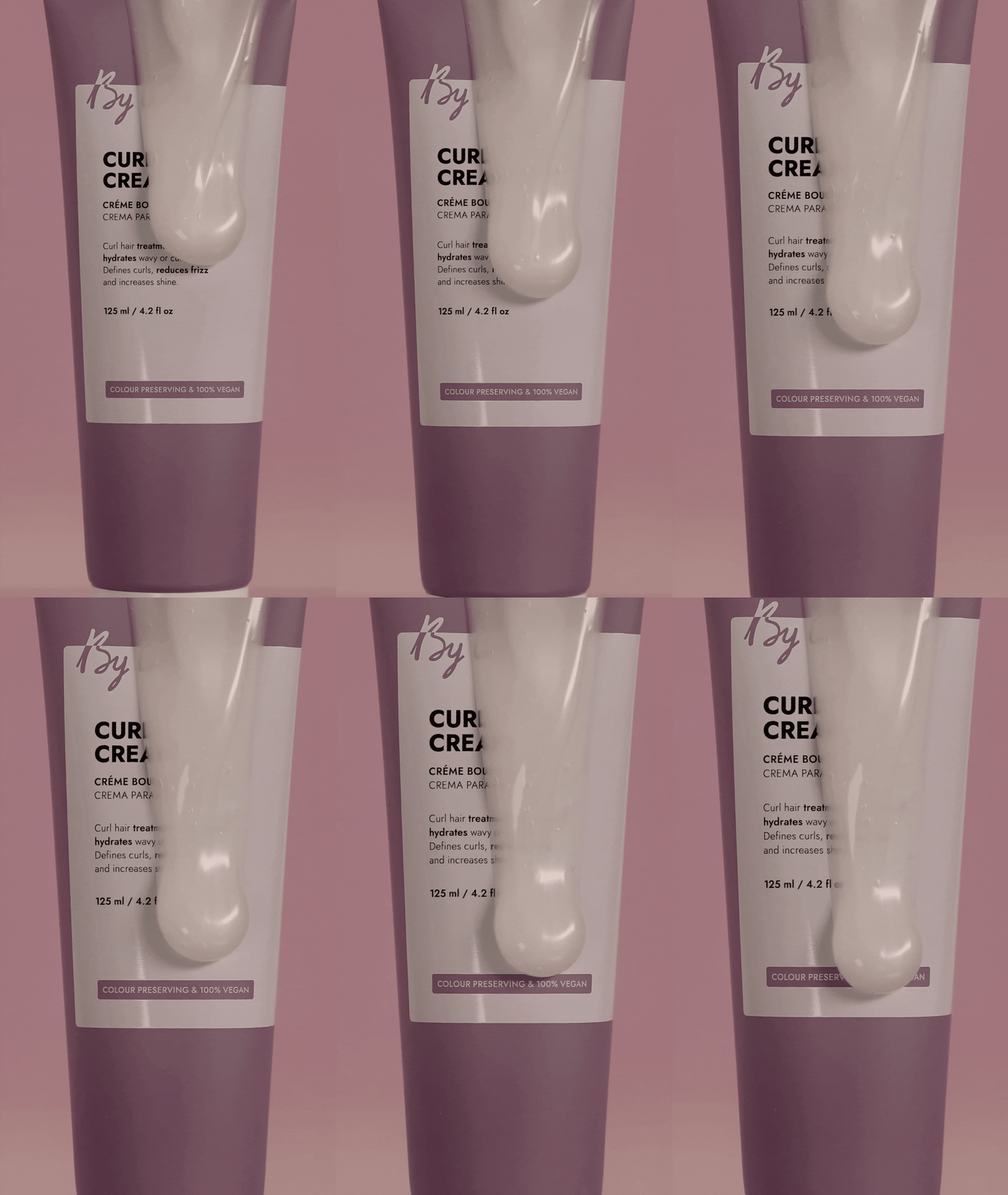
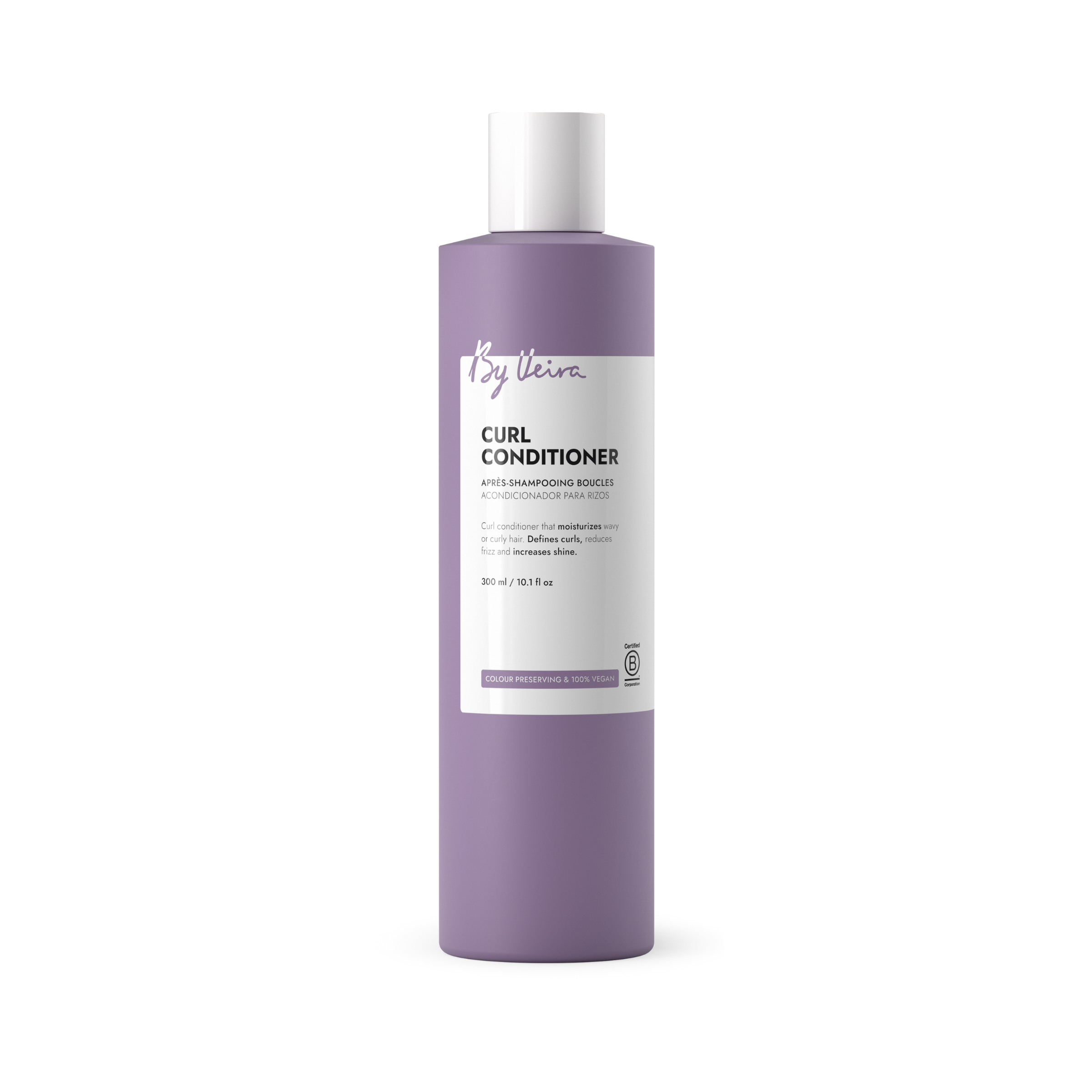
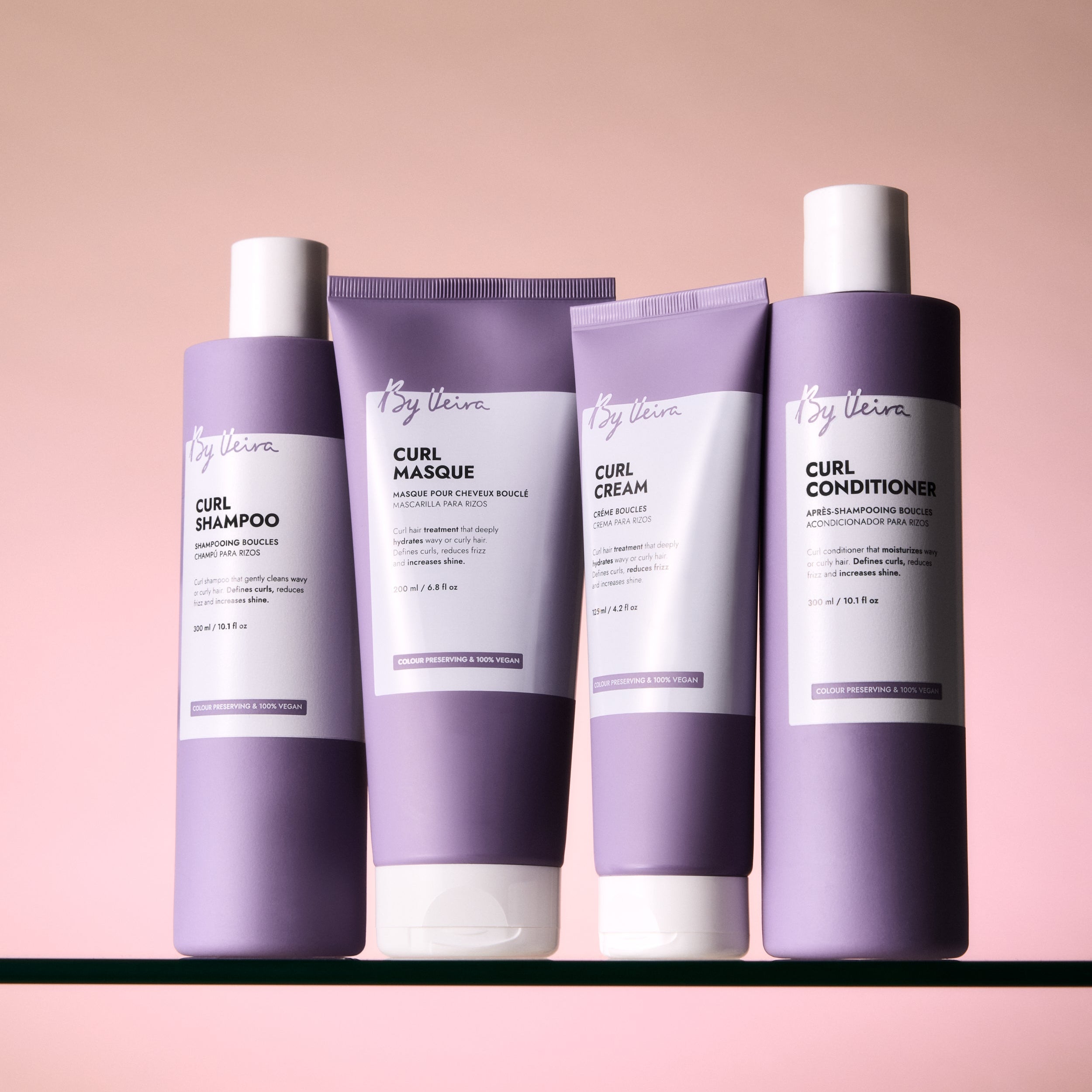
- **Conditioners & Detanglers**: Curly or textured hair thrives on moisture‑rich vegan conditioners featuring plant‑derived oils (argan, jojoba) and humectants like glycerin (plant‑based). By Veira’s Curl Conditioner blends shea butter with quinoa protein, delivering 30% more slip than a conventional silicone‑based conditioner.
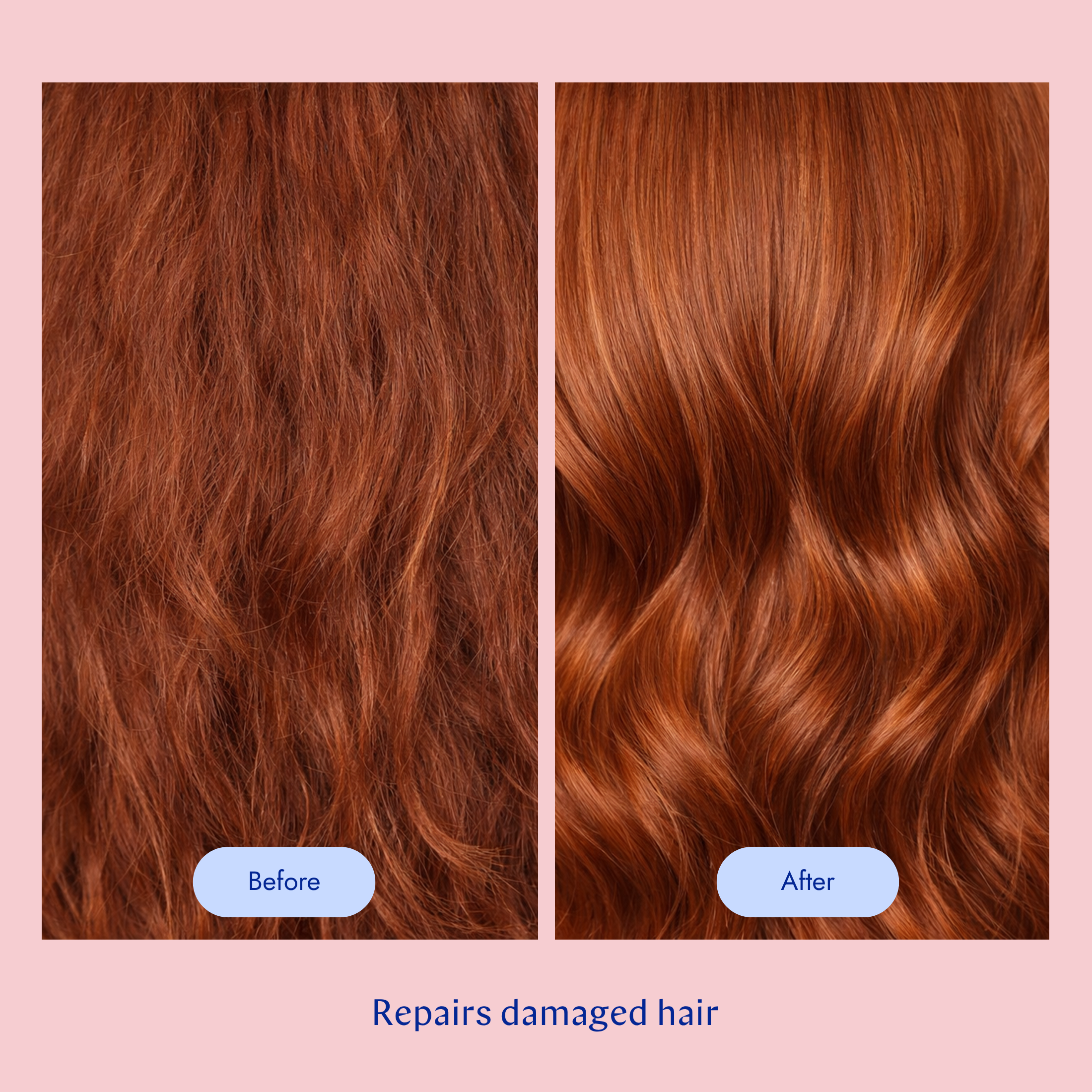
- **Treatments**: For damage repair, vegan hair masks with ingredients such as hydrolyzed wheat protein or bamboo silica provide structural reinforcement. A study published in *Cosmetics Science* showed a 25% increase in tensile strength after eight weekly applications of a vegan wheat‑protein mask.
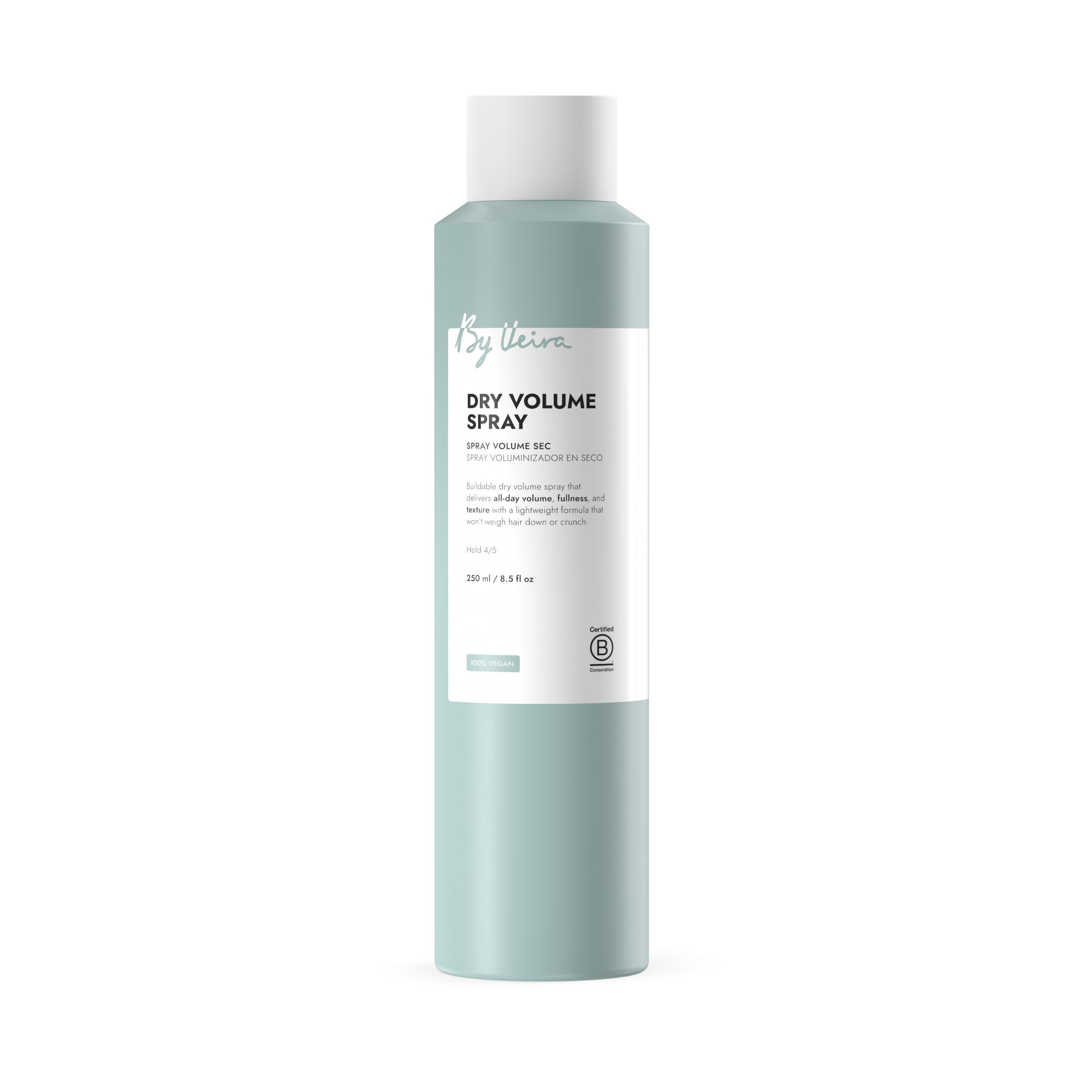
- **Styling**: Vegan styling gels and mousses often use botanical polymers (e.g., xanthan gum) for hold without the harsh chemicals found in traditional products. When buying styling aids, prioritize those that list a clear percentage of active botanical polymers.
Create a quick hair‑needs checklist, then cross‑reference it with product descriptions on any vegan hair care online shop. This systematic approach ensures you purchase items that truly solve your specific hair challenges rather than generic “all‑purpose” solutions.
3. How to Vet an Online Vegan Hair Care Shop – Red Flags and Trust Signals
Not all e‑commerce sites are created equal. When you search “buy vegan hair care,” you’ll encounter marketplaces, brand‑direct sites, and third‑party retailers. Here’s a step‑by‑step checklist to verify credibility:
1. **Certification Badges**: Confirm the presence of recognized vegan logos (Vegan Society, Certified Vegan). Hover or click on the badge to see the verification link; genuine certifications are traceable to an external database.
2. **Full Ingredient Disclosure**: Reputable shops list the complete INCI name for every component. Avoid sites that only provide a marketing‑only ingredient list (e.g., “organic botanicals”).
3. **Transparent Sourcing**: Look for a “Our Ingredients” page that explains sourcing—whether the plant extracts are organic, wild‑crafted, or sustainably harvested. By Veira, for example, details each supplier’s ethical standards.
4. **Customer Reviews & Third‑Party Tests**: Authentic reviews often include before‑after photos, specific hair‑type mentions, and long‑form comments. Cross‑check with independent review platforms like Trustpilot or Reddit’s r/veganbeauty.
5. **Return & Refund Policies**: A clear, no‑questions‑asked return policy indicates confidence in product performance. Beware of sites that only offer store‑credit refunds.
6. **Secure Checkout**: Verify HTTPS encryption and reputable payment gateways (PayPal, Stripe). A lack of security can expose you to fraud.
Data from a 2024 consumer‑trust survey revealed that shoppers who used at least three of the above criteria were 4.5× more likely to repurchase from the same vegan hair care online shop. Apply this framework each time you browse, and you’ll avoid counterfeit or mislabeled products.
4. Core Criteria for Selecting Vegan Hair Care Products Online
Once you’ve vetted a shop, narrow down individual products using a set of objective criteria. This matrix helps you compare items side‑by‑side:
- **Ingredient Purity**: Prioritize formulas where the first three INCI ingredients are plant‑derived actives (e.g., argan oil, aloe vera). Avoid products that list synthetic surfactants like sodium laureth sulfate as the primary component.
- **Cruelty‑Free Confirmation**: Even vegan items should also be cruelty‑free. Look for the Leaping Bunny or PETA‑approved logo alongside vegan certifications.
- **Sustainability Metrics**: Assess packaging (recyclable, biodegradable, refillable). By Veira’s eco‑line, for instance, uses post‑consumer recycled PET (rPET) bottles, cutting carbon emissions by 30% compared to virgin plastic.
- **Performance Data**: Brands that publish clinical trial results or consumer testing statistics demonstrate confidence. A vegan hair serum boasting “clinically proven 48‑hour frizz control for 85% of users” carries more weight than vague claims.
- **Cost‑per‑Milliliter (CPM)**: Calculate CPM to compare value. A 250 ml shampoo at $24 equals $0.096 / ml; a 300 ml bottle at $27 equals $0.090 / ml—slightly better value despite a higher price point.
- **Allergen Transparency**: Look for clear allergen statements. Vegan doesn’t automatically mean hypoallergenic; nut oils, for example, can trigger sensitivities.
By applying this checklist, you can rationally select products that align with both ethical standards and performance expectations, turning the “buy vegan hair care” search into a strategic purchase decision.
5. Building a Complete Vegan Hair Care Routine – From Wash to Style
A well‑structured routine maximizes the benefits of vegan products while minimizing waste. Follow this four‑step protocol, adjusting frequency based on hair type:
**Step 1 – Pre‑Wash Treatment (1‑2 times/week)**: Apply a vegan scalp serum or oil (e.g., By Veira’s Pro Growth Serum) to the roots 15‑30 minutes before shampooing. Plant‑based oils penetrate the cuticle, reducing water loss by up to 22% according to a 2023 dermatology study.
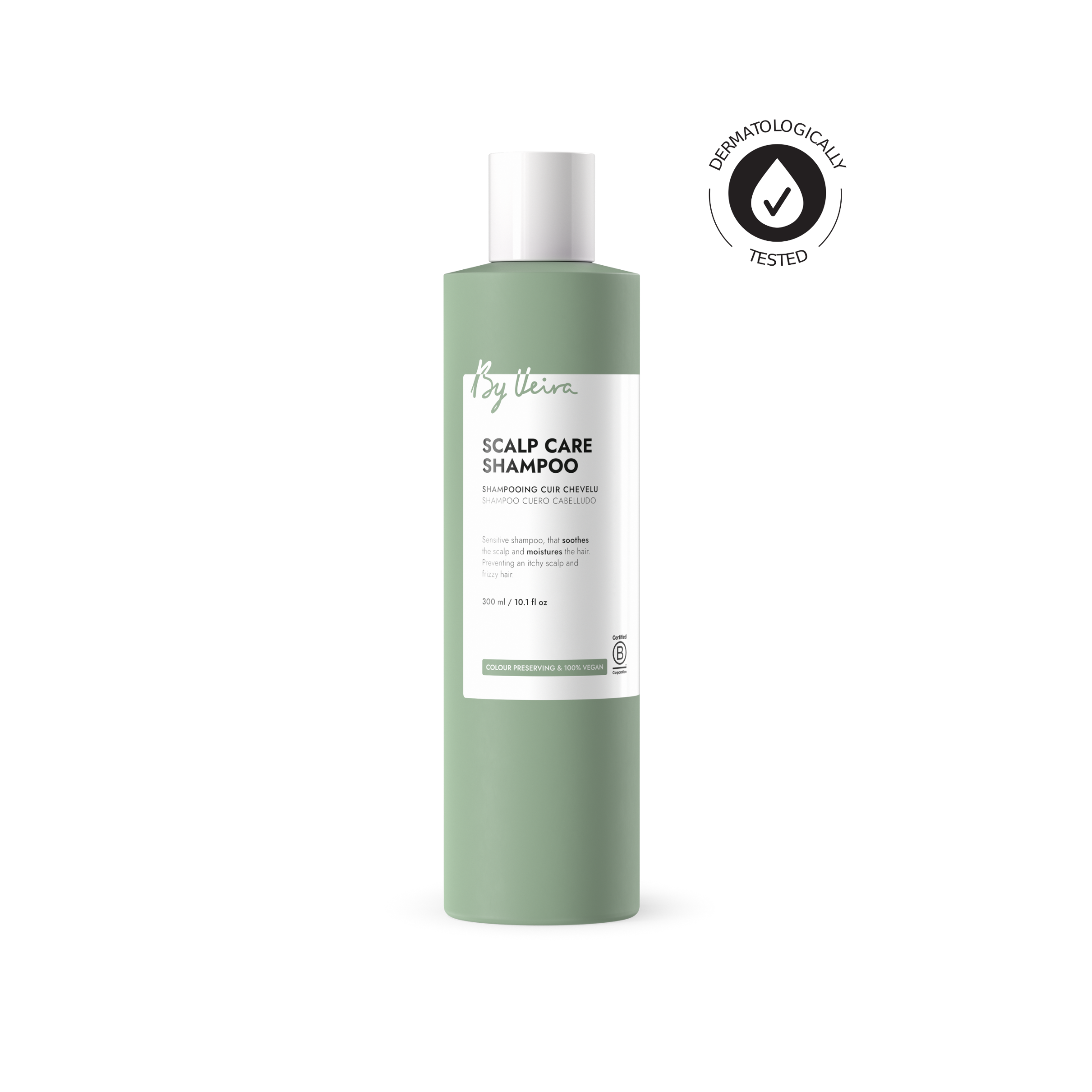
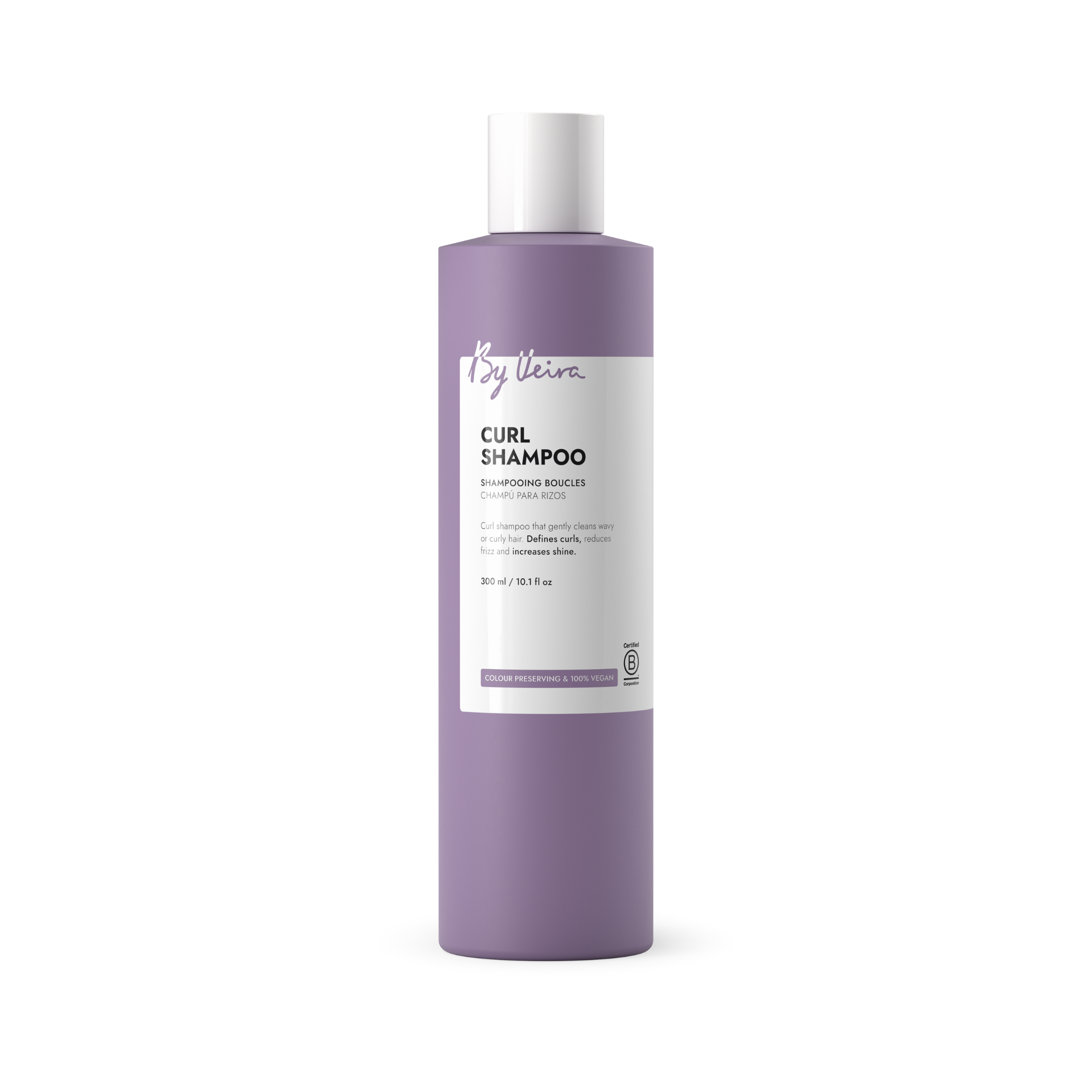
**Step 2 – Cleanse**: Use a sulfate‑free vegan shampoo suitable for your scalp condition. Massage gently for 60 seconds to stimulate circulation; rinse with lukewarm water to keep the cuticle closed. For oily scalps, limit to twice weekly; for dry hair, once weekly suffices.
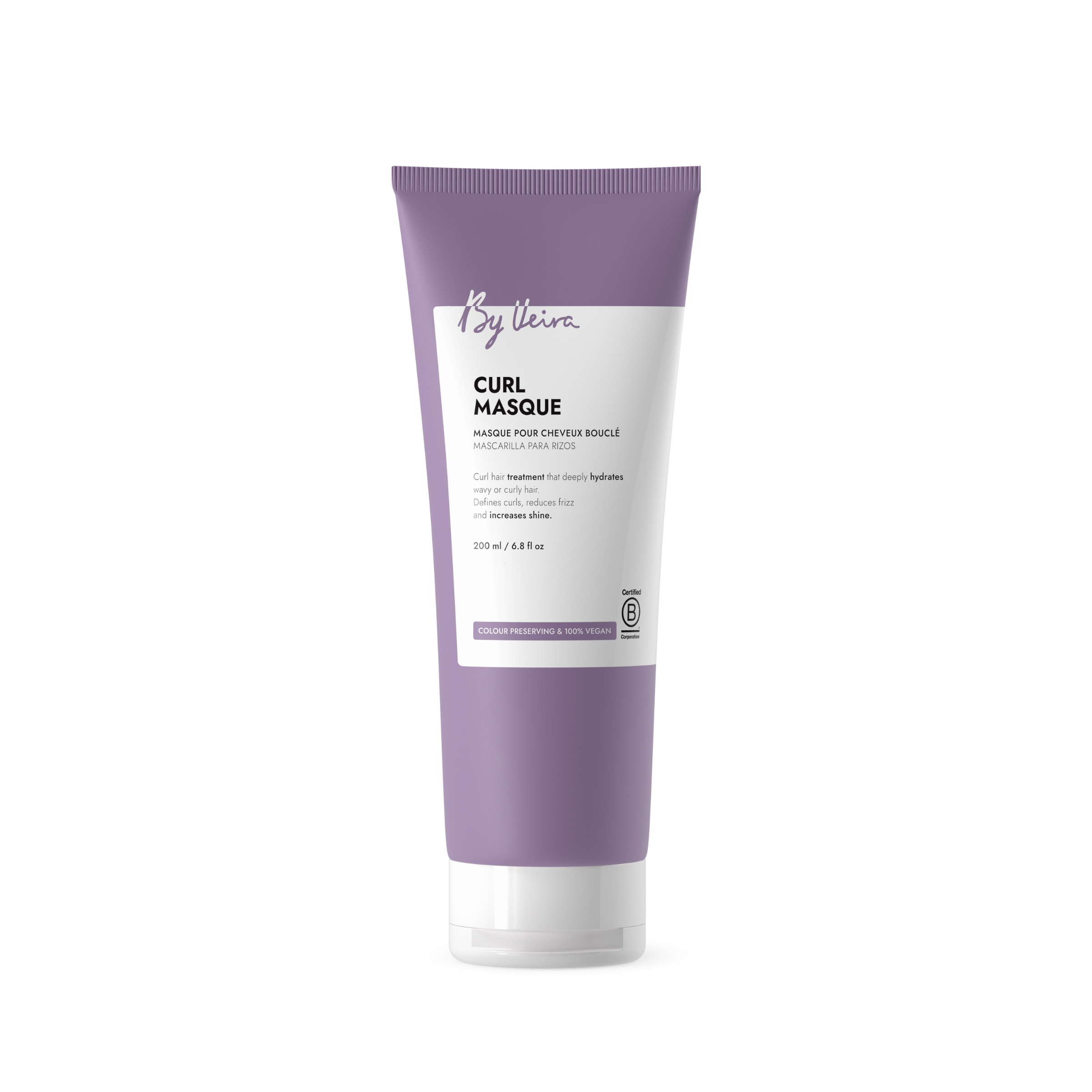
**Step 3 – Condition & Repair**: Apply a vegan conditioner from mid‑shaft to ends, leaving it on for 3‑5 minutes. For extra nourishment, follow with a weekly deep‑conditioning mask (e.g., By Veira’s Moisture Vegan Mask) left on for 10‑15 minutes. The mask’s oat protein and quinoa extract have been shown to increase moisture retention by 35% after two weeks.
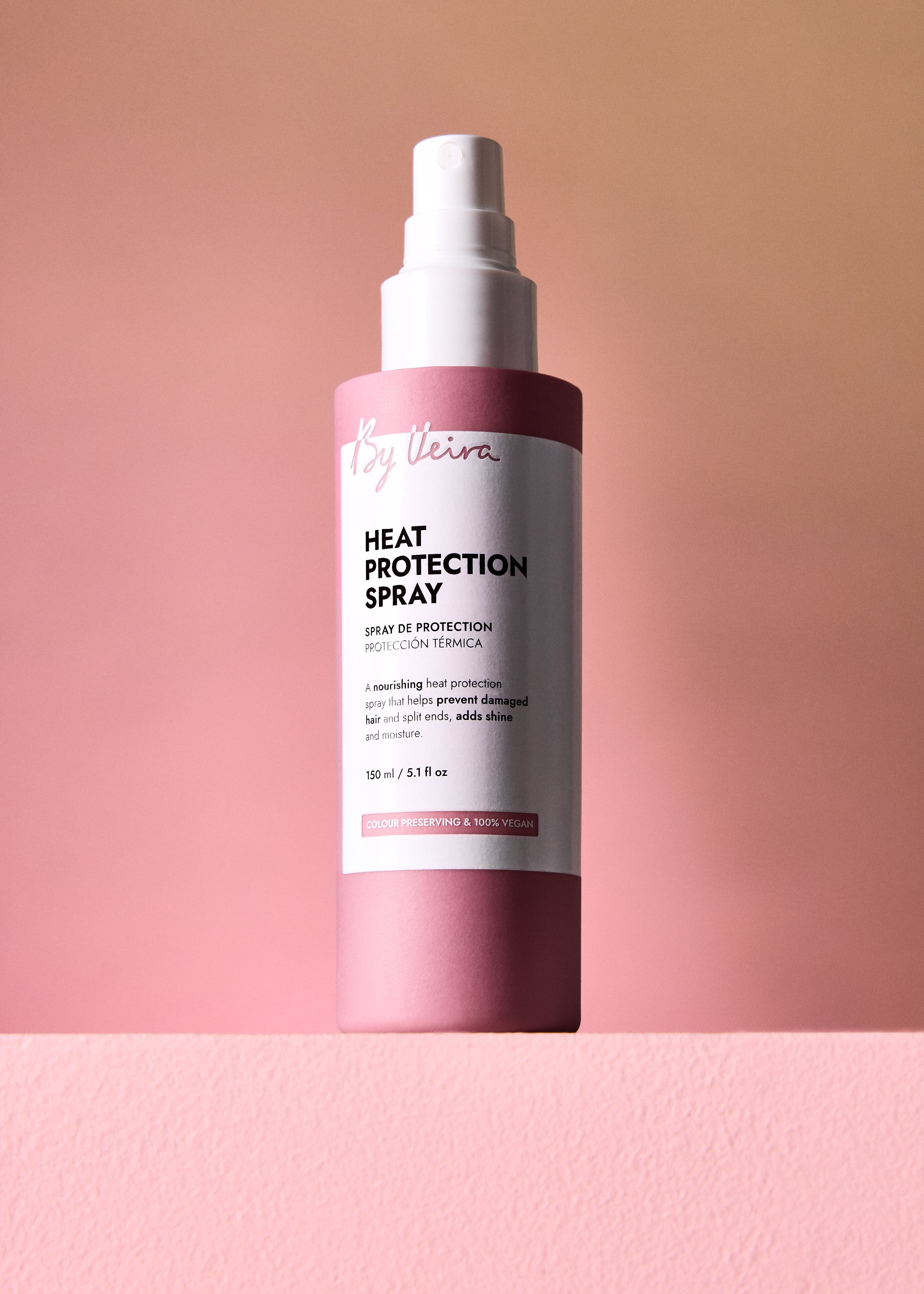
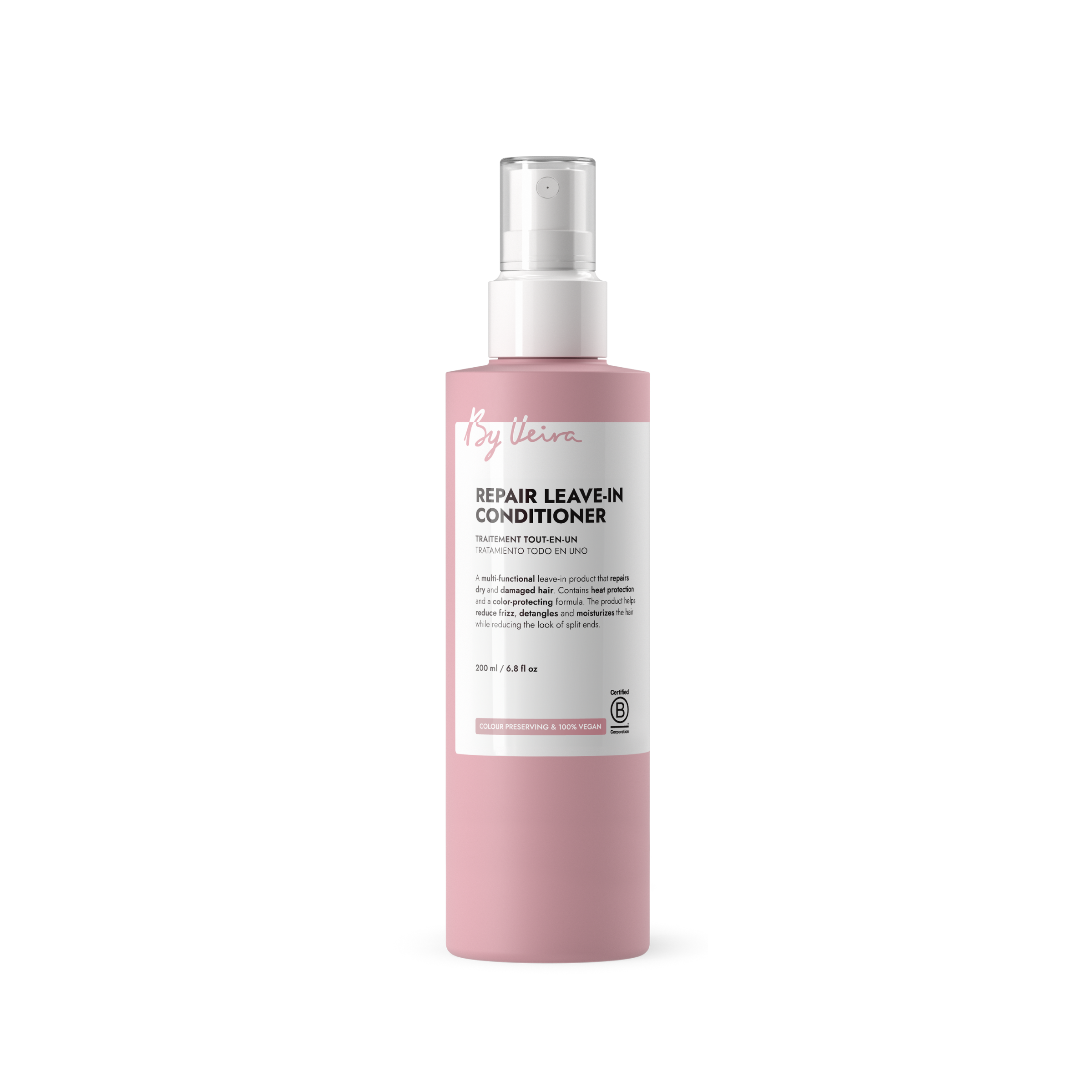
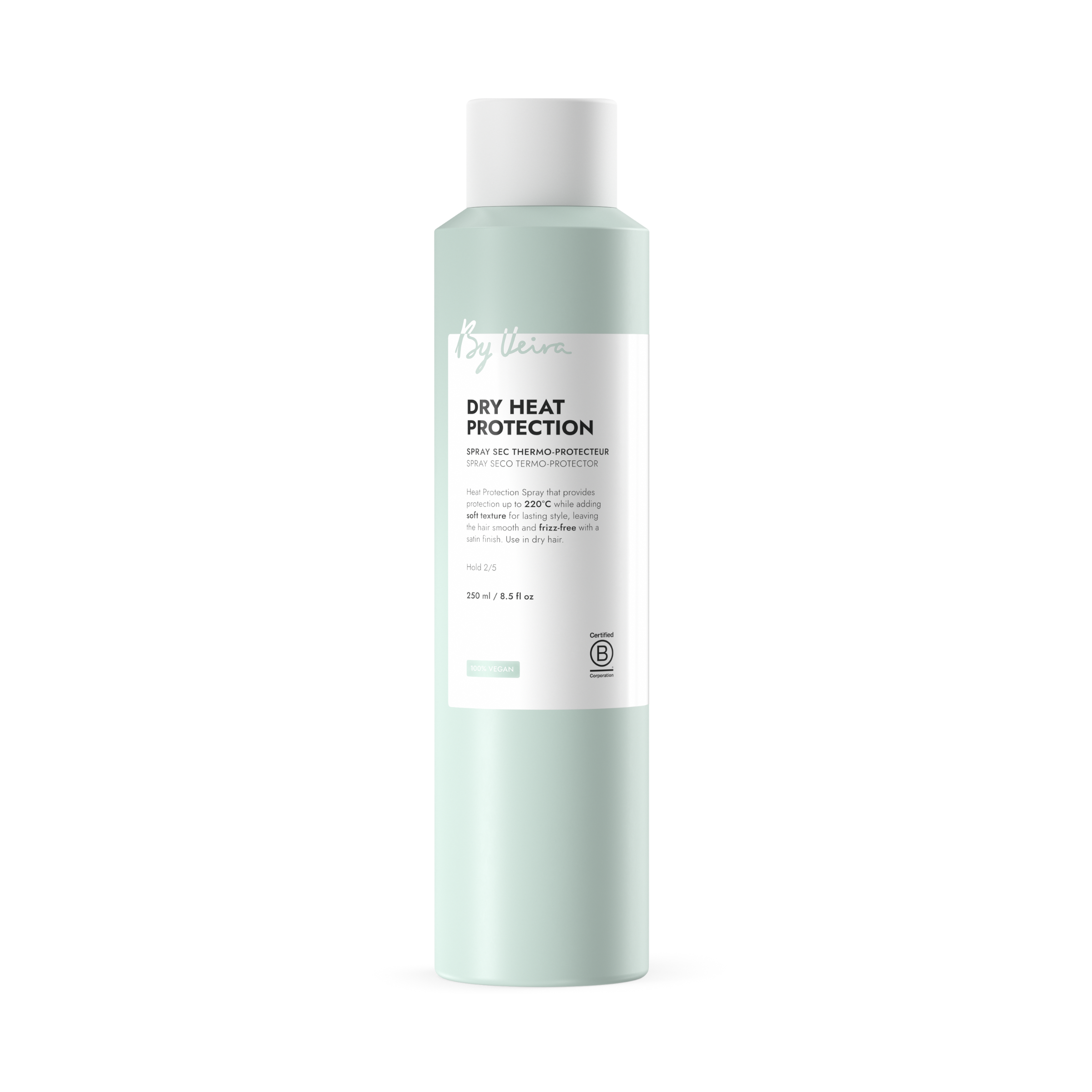
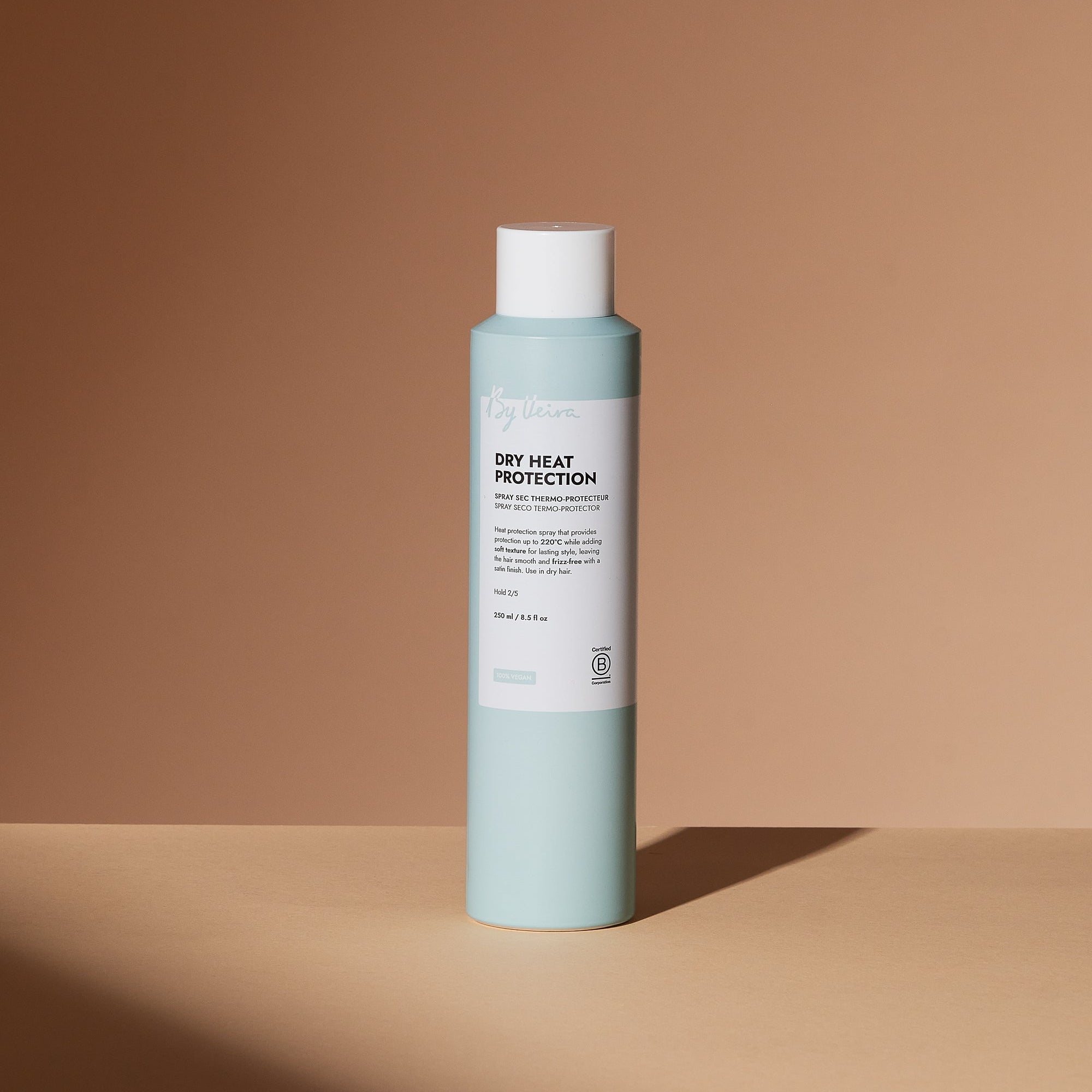
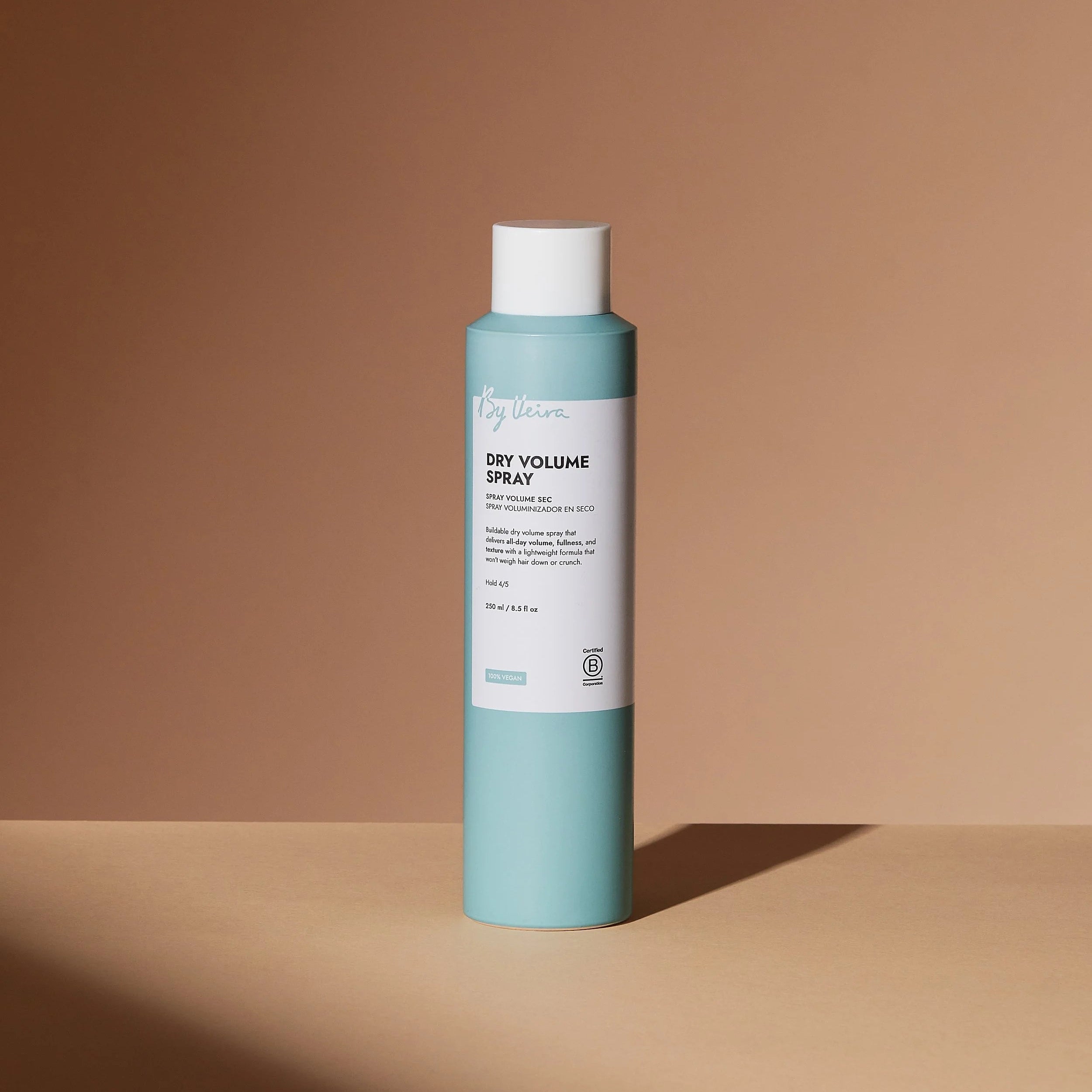
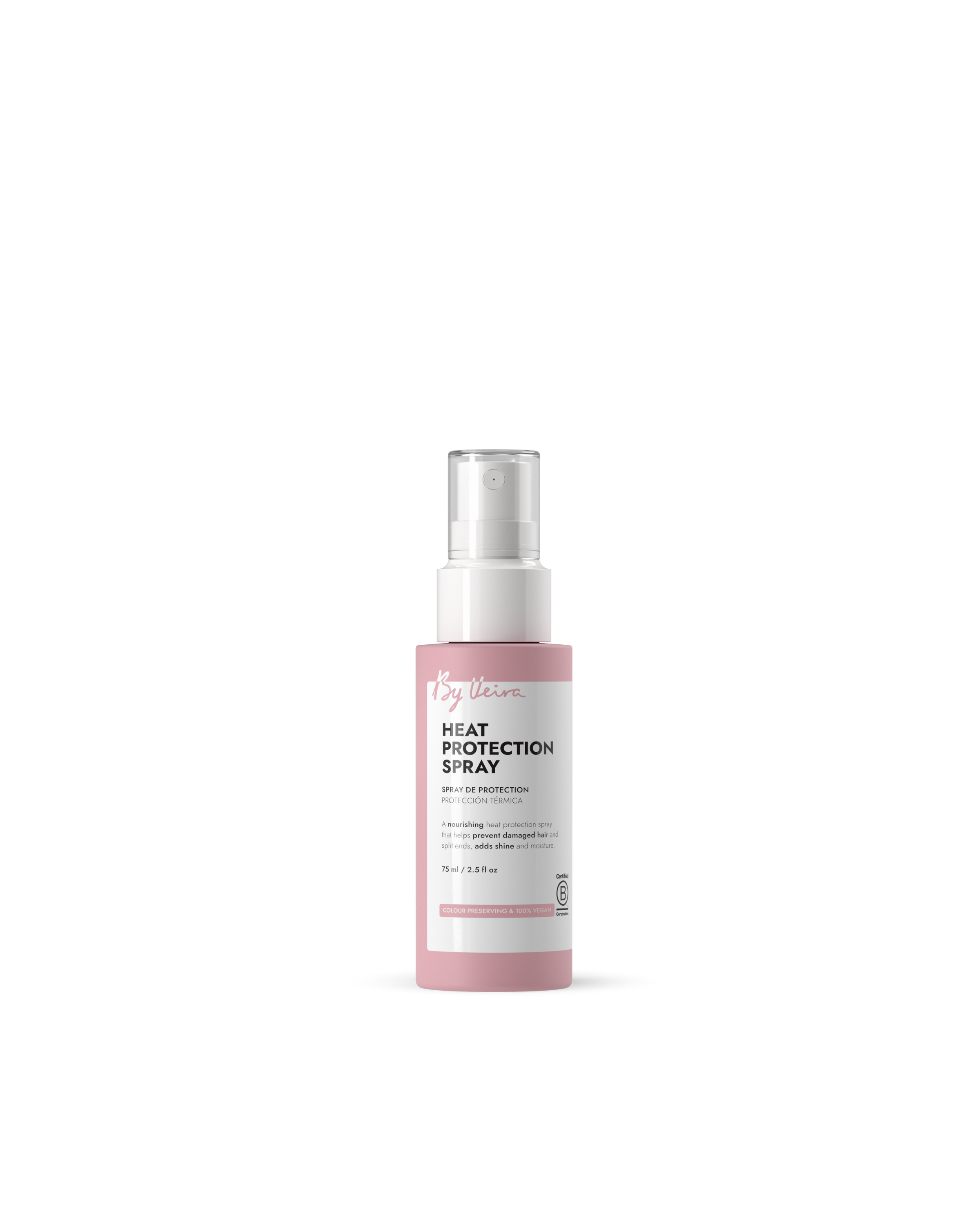
**Step 4 – Style & Protect**: Finish with a vegan styling product tailored to your look—lightweight mousse for volume, curl‑defining gel for waves, or a heat‑protectant spray if using tools. Plant‑derived polymers provide hold without the brittleness caused by silicone. Finish with a cool‑air blast to seal the cuticle and lock in moisture.
**Maintenance Tips**: Rotate products every 2‑3 months to prevent ingredient fatigue, and keep a hair‑care journal noting product performance, scalp condition, and any reactions. This data-driven approach helps you fine‑tune the routine and ensures you’re always buying the most effective vegan hair care for your evolving needs.
Read more
👋 A Quick Word From Us At By Veira, our mission is simple: to give vegans and conscious consumers the very best hair care—free of sulfates, parabens, and animal‑derived ingredients. What makes us p...
Dry hair can feel like a never‑ending battle—frizz, breakage, and a lackluster appearance are common side effects of insufficient moisture. While conventional products often rely on animal‑derived ...